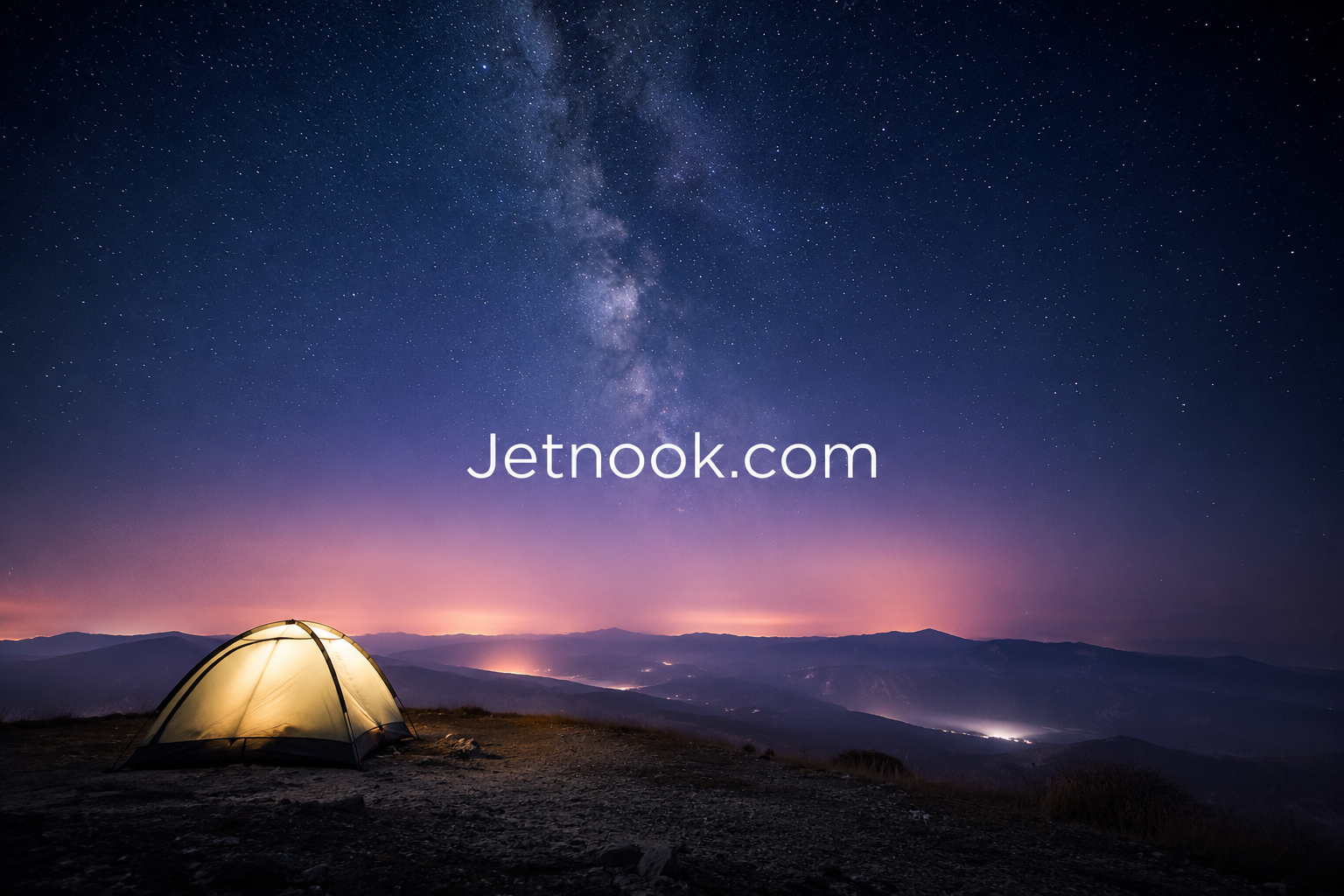
For centuries, humanity has looked toward the night sky with wonder and curiosity. Ancient civilizations used the stars for navigation, storytelling, and understanding the universe. Today, as cities become brighter and urban lifestyles become busier, many travelers are seeking a different kind of escape—one that reconnects them with nature, silence, and the breathtaking beauty of the cosmos.
Welcome to the world of Astro Tourism.
Astro Tourism, also known as astronomical tourism or dark-sky tourism, is rapidly becoming one of the fastest-growing travel trends in the world. Travelers are crossing continents to witness dazzling meteor showers, experience the mesmerizing Northern Lights, observe rare celestial events, and marvel at millions of stars visible only in remote dark-sky destinations.
In 2026, astro tourism is no longer a niche travel segment. It has evolved into a global phenomenon attracting adventure seekers, photographers, scientists, families, luxury travelers, and nature lovers alike.
This comprehensive guide explores everything you need to know about astro tourism, including its growth, benefits, best destinations, sustainability impact, and future opportunities.
What Is Astro Tourism?
Astro Tourism refers to travel experiences centered around observing and enjoying astronomical phenomena and dark night skies.
These experiences may include:
- Stargazing
- Observing constellations
- Meteor shower viewing
- Solar and lunar eclipse tourism
- Northern Lights experiences
- Visiting observatories
- Astrophotography tours
- Astronomy festivals
- Space-themed travel experiences
- Educational astronomy programs
Unlike traditional tourism, astro tourism encourages travelers to slow down, disconnect from digital distractions, and reconnect with the natural universe.
Why Astro Tourism Is Growing So Fast
Several factors are contributing to the rapid rise of astro tourism.
1. Escape from Urban Light Pollution
More than 80% of the world’s population lives under light-polluted skies. Many people have never experienced the Milky Way in its full glory.
Dark-sky destinations offer travelers a chance to witness the night sky as it appeared thousands of years ago.
2. Social Media Influence
Platforms like Instagram, YouTube, and TikTok have amplified interest in breathtaking night-sky photography.
Images of:
- Northern Lights
- Milky Way panoramas
- Meteor showers
- Lunar eclipses
have inspired millions of travelers worldwide.
3. Wellness and Mindful Travel
Modern travelers increasingly seek meaningful experiences.
Watching the stars promotes:
- Relaxation
- Mindfulness
- Stress reduction
- Emotional well-being
- Digital detox
Astro tourism perfectly aligns with the growing wellness travel movement.
4. Increased Interest in Space Exploration
Recent developments from private space companies have reignited public fascination with astronomy and space science.
People are becoming more interested in understanding the universe and experiencing celestial wonders firsthand.
The Economic Impact of Astro Tourism
Astro tourism contributes significantly to local economies.
Benefits include:
- Increased hotel occupancy
- Growth in rural tourism
- New tour operator opportunities
- Local employment creation
- Infrastructure development
- Support for conservation projects
Remote regions that once attracted few visitors are now becoming world-famous destinations because of their pristine night skies.
Best Astro Tourism Destinations in the World
1. Atacama Desert, Chile
The Atacama Desert is widely considered one of the best stargazing locations on Earth.
Why Visit?
- Clear skies year-round
- Minimal humidity
- High altitude
- World-class observatories
Visitors can experience extraordinary views of galaxies, planets, and nebulae.
2. Iceland
Iceland is famous for its incredible Northern Lights displays.
Highlights:
- Aurora Borealis
- Volcano landscapes
- Ice caves
- Glacier adventures
The combination of celestial and natural wonders makes Iceland a dream destination.
3. New Zealand
The Aoraki Mackenzie Dark Sky Reserve offers some of the darkest skies in the Southern Hemisphere.
Travelers enjoy:
- Guided astronomy tours
- Astrophotography workshops
- Observatory visits
- Stargazing cruises
4. Namibia
Namibia boasts some of Africa’s darkest skies.
Popular experiences include:
- Desert stargazing
- Luxury astro lodges
- Astrophotography safaris
5. Arizona, USA
Arizona hosts multiple International Dark Sky Parks.
Top attractions include:
- Grand Canyon
- Sedona
- Lowell Observatory
The region combines astronomy, culture, and adventure tourism.
The Rise of Astrophotography Tourism
Photography enthusiasts travel thousands of miles to capture stunning celestial images.
Popular subjects include:
- Milky Way
- Aurora Borealis
- Lunar eclipses
- Star trails
- Deep sky objects
Modern camera technology has made astrophotography more accessible than ever before.
Many travel companies now offer specialized astrophotography tours led by professional photographers.
Northern Lights Tourism
Aurora tourism continues to drive millions of tourism dollars annually.
Top destinations:
- Iceland
- Norway
- Finland
- Sweden
- Canada
- Alaska
Travelers often combine aurora viewing with luxury accommodations, winter sports, and cultural experiences.
Meteor Shower Tourism
Meteor shower events attract astronomy enthusiasts worldwide.
Most famous meteor showers:
Perseids
Peak: August
Geminids
Peak: December
Quadrantids
Peak: January
Specialized tours help travelers reach optimal viewing locations away from city lights.
Sustainable Tourism and Dark Sky Conservation
Astro tourism supports sustainable travel initiatives.
Benefits include:
- Reduced environmental impact
- Preservation of natural habitats
- Protection against excessive lighting
- Increased environmental awareness
Many destinations are implementing dark-sky policies to maintain their attractiveness and ecological balance.
Technology Transforming Astro Tourism
Modern technology is revolutionizing astro tourism.
Innovations include:
- Smart telescopes
- Astronomy mobile applications
- AI-powered sky mapping
- Virtual observatories
- Augmented reality astronomy guides
These tools make celestial exploration accessible even for beginners.
Luxury Astro Tourism Experiences
Luxury travel brands are increasingly offering premium stargazing experiences.
Examples include:
- Private observatories
- Luxury desert camps
- Glass-roof accommodations
- Personalized astronomy guides
- Exclusive astrophotography expeditions
The luxury astro tourism segment is expected to grow significantly over the coming years.
The Future of Astro Tourism
The future looks exceptionally bright for astro tourism.
Emerging trends include:
- Space-inspired resorts
- Commercial space travel
- AI astronomy experiences
- Dark sky conservation tourism
- Educational astronomy adventures
As travelers continue seeking authentic and meaningful experiences, astro tourism is positioned to become one of the defining travel trends of the next decade.
Conclusion
Astro tourism offers travelers a rare opportunity to reconnect with nature, science, and the universe itself. Whether watching the Northern Lights dance across Arctic skies, photographing the Milky Way in a desert landscape, or witnessing a once-in-a-lifetime eclipse, astro tourism creates unforgettable memories.
As awareness of dark-sky conservation grows and travelers increasingly seek transformative experiences, the popularity of astro tourism will continue to rise. For travel enthusiasts looking for something extraordinary, the stars are calling.
Why Jetnook Gives You the Best Travel Prices
Planning an astro tourism adventure requires reliable travel services and competitive pricing.
Jetnook helps travelers compare and book:
- Flight Tickets
- Hotels
- Travel Insurance
- International Travel SIM Cards
- Tours & Excursions
- Airport Transfers
- Holiday Packages
Jetnook’s advanced travel technology connects travelers with multiple global suppliers, helping users compare options and find competitive prices in one place.
Whether you are traveling to Iceland for the Northern Lights, Chile for world-class stargazing, or Namibia for dark-sky adventures, Jetnook simplifies travel planning and helps you build your complete trip with convenience and value.
Explore your next adventure with Jetnook and discover the universe one destination at a time.