
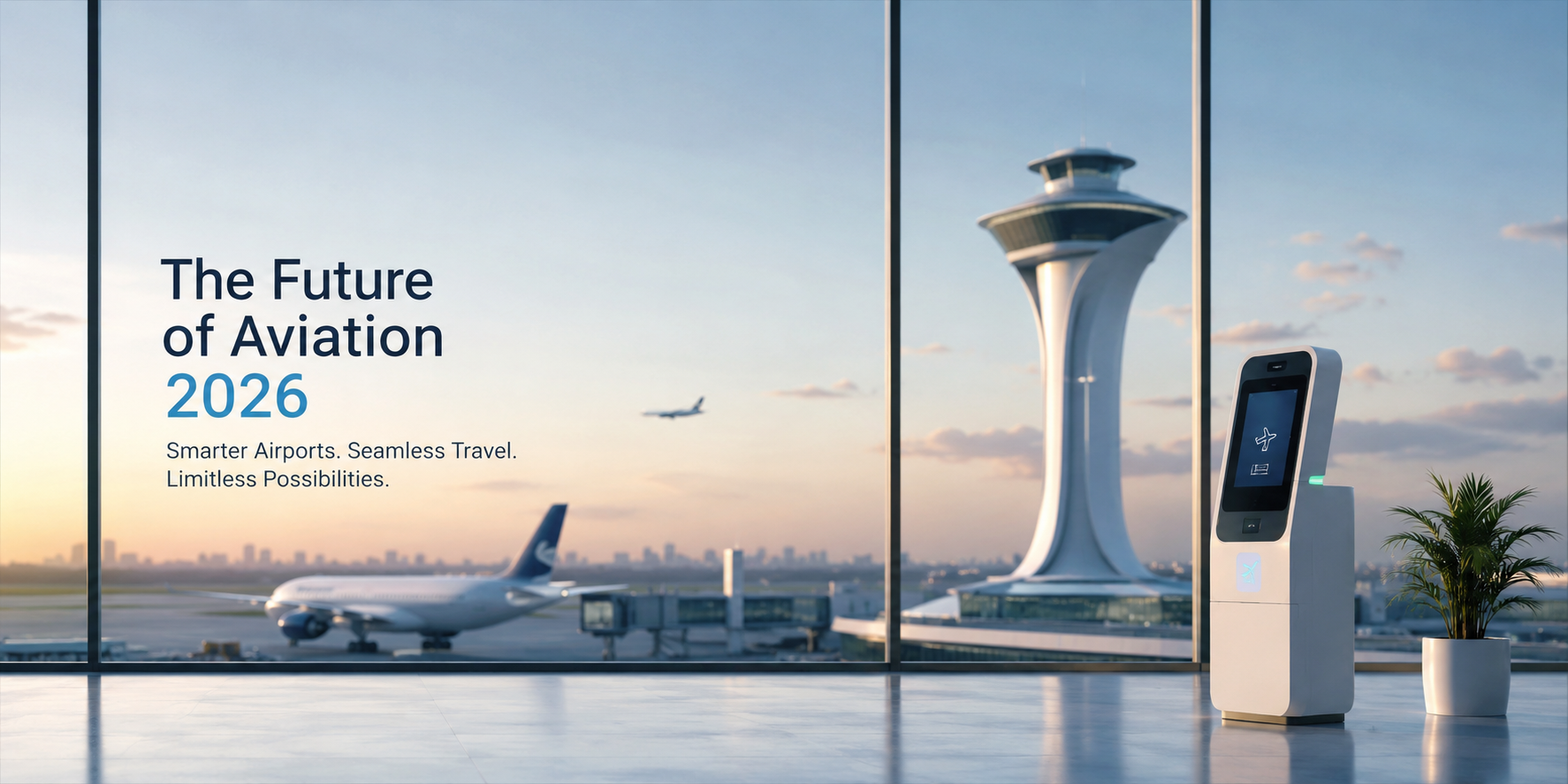
The Future of Aviation in 2026: AI, Smart Airports & the New Era of Travel
The aviation industry is entering one of the most revolutionary eras in its history. From artificial intelligence-powered airports to biometric boarding systems and sustainable aircraft technology, the future of aviation in 2026 is smarter, faster, greener, and more connected than ever before.
Air travel is no longer just about reaching a destination. Travelers today expect seamless digital experiences, personalized services, faster airport procedures, lower costs, and environmentally responsible operations. Airlines and airports around the world are investing billions into transforming the passenger journey through advanced technology and automation.
In this article, we explore how AI, smart airports, digital transformation, sustainable aviation, and emerging technologies are shaping the new era of global travel in 2026.
The Evolution of Aviation in 2026
The aviation industry has always been a symbol of innovation. However, the pace of transformation in recent years has accelerated dramatically.
Several global factors are driving this change:
- Increasing passenger expectations
- AI and automation advancements
- Sustainable aviation goals
- Smart infrastructure investments
- Contactless travel demand
- Rising competition among airlines
- Digital-first traveler behavior
In 2026, aviation is no longer just transportation — it has become a highly intelligent digital ecosystem.
AI in Aviation: Transforming the Passenger Experience
Artificial Intelligence is now at the core of airline and airport operations. AI systems are improving efficiency, reducing delays, increasing safety, and personalizing travel experiences.
How AI Is Used in Aviation
1. AI-Powered Flight Booking
Modern booking platforms use AI algorithms to:
- Predict ticket price changes
- Recommend cheaper travel dates
- Suggest optimal routes
- Detect fare drops
- Personalize travel offers
Travelers can now find better flight deals faster than ever before.
2. Predictive Aircraft Maintenance
Airlines use AI-based predictive maintenance systems to identify aircraft issues before failures occur.
Benefits include:
- Reduced flight delays
- Improved passenger safety
- Lower maintenance costs
- Increased aircraft efficiency
This technology helps airlines operate more reliably while minimizing disruptions.
3. AI Customer Support
AI chatbots and virtual assistants now handle:
- Flight changes
- Baggage tracking
- Refund requests
- Visa information
- Real-time travel alerts
Passengers receive instant support 24/7 without waiting in long customer service queues.
4. AI for Airport Operations
Airports are using AI to:
- Predict passenger traffic
- Optimize security lines
- Improve baggage handling
- Manage gate assignments
- Reduce congestion
This leads to faster and smoother airport experiences.
Smart Airports: The Future of Seamless Travel
Smart airports are becoming the standard in 2026. These airports integrate AI, IoT, biometrics, automation, and cloud computing to create frictionless travel experiences.
Features of Smart Airports
Biometric Boarding Systems
Passengers can now board flights using:
- Facial recognition
- Fingerprint scanning
- Iris recognition
This eliminates:
- Physical boarding passes
- Manual identity verification
- Long security queues
Biometric technology significantly reduces waiting times and improves airport security.
Contactless Travel Experience
Modern airports now offer:
- Touchless check-in
- Digital luggage drop
- Mobile passport verification
- Smart immigration systems
Travelers can move through airports with minimal physical interaction.
Smart Baggage Tracking
Advanced baggage systems allow passengers to:
- Track luggage in real time
- Receive app notifications
- Monitor baggage location globally
Lost baggage incidents are declining due to AI-powered logistics systems.
AI Security Screening
Next-generation airport scanners use AI to:
- Detect threats faster
- Reduce manual checks
- Improve screening accuracy
- Speed up passenger movement
Security processes are becoming both safer and more efficient.
Sustainable Aviation and Green Air Travel
Environmental sustainability has become one of aviation’s biggest priorities.
Governments, airlines, and aircraft manufacturers are investing heavily in reducing aviation emissions.
Key Green Aviation Trends in 2026
Sustainable Aviation Fuel (SAF)
SAF is becoming increasingly popular as airlines aim to lower carbon emissions.
Benefits include:
- Reduced environmental impact
- Lower greenhouse gas emissions
- Compatibility with existing aircraft
Many international airlines are already integrating SAF into commercial operations.
Electric and Hybrid Aircraft
Several companies are developing:
- Electric regional aircraft
- Hybrid propulsion systems
- Hydrogen-powered aviation technology
Although fully electric long-haul flights are still years away, regional sustainable flights are rapidly advancing.
Carbon-Neutral Airport Initiatives
Smart airports are adopting:
- Solar power systems
- Green terminal infrastructure
- Electric ground vehicles
- Energy-efficient operations
The goal is to achieve carbon-neutral airport operations within the next decade.
The Rise of Personalized Air Travel
In 2026, travelers expect highly customized experiences.
Airlines are leveraging big data and AI to personalize:
- Seat preferences
- Meal options
- Loyalty rewards
- Travel recommendations
- Entertainment systems
Personalized travel improves customer satisfaction and brand loyalty.
The Future of Airline Cabins
Aircraft interiors are evolving to enhance comfort and digital experiences.
Innovations in Airline Cabins
Smart Seats
Future seats may include:
- Personalized climate controls
- Wireless charging
- Biometric health monitoring
- Interactive entertainment systems
High-Speed In-Flight Internet
Satellite-based WiFi systems now offer:
- Faster internet speeds
- Stable global connectivity
- Streaming-quality performance
Passengers can work, stream, and stay connected during flights.
Improved Cabin Air Systems
Modern aircraft use advanced filtration systems that improve:
- Air quality
- Passenger comfort
- Health safety
These innovations became especially important after global health concerns in recent years.
Automation and Robotics in Airports
Airports are increasingly deploying robots for:
- Cleaning terminals
- Assisting passengers
- Security patrols
- Food delivery
- Information services
Automation reduces operational costs while improving service quality.
Supersonic Travel Is Returning
One of the most exciting aviation developments is the return of supersonic travel.
Several aerospace companies are developing aircraft capable of reducing international travel times dramatically.
Potential future routes:
- Dubai to London in under 4 hours
- New York to Tokyo in under 6 hours
Supersonic aviation may redefine premium business travel in the coming decade.
Digital Identity and Paperless Travel
The aviation industry is moving toward fully digital travel systems.
Future travelers may no longer need:
- Printed tickets
- Physical passports
- Paper visas
Digital travel wallets and secure biometric systems are becoming the foundation of international travel.
Challenges Facing Aviation in 2026
Despite major technological advancements, aviation still faces several challenges:
1. Cybersecurity Risks
As airports become more digital, cybersecurity becomes increasingly critical.
Airlines must protect:
- Passenger data
- Payment systems
- Airport infrastructure
- Flight operations
2. Rising Operational Costs
Fuel prices, staffing shortages, and infrastructure investments continue affecting airline profitability.
3. Sustainability Pressure
Governments and environmental groups are pushing airlines to reduce emissions faster.
This creates pressure for rapid innovation.
The Role of Data in Modern Aviation
Big data analytics now drives almost every aspect of aviation.
Airlines analyze:
- Passenger behavior
- Booking trends
- Weather patterns
- Aircraft performance
- Route profitability
This allows smarter decision-making and more efficient operations.
Aviation Trends Travelers Should Watch in 2026
Here are the biggest trends shaping the future of travel:
| Trend | Impact |
|---|---|
| AI Booking Systems | Cheaper and smarter flight planning |
| Smart Airports | Faster passenger movement |
| Biometric Travel | Contactless airport experiences |
| Sustainable Aviation | Eco-friendly flights |
| Digital Identity | Paperless travel |
| Personalized Services | Better traveler experiences |
| High-Speed WiFi | Connected air travel |
| Predictive Maintenance | Fewer delays |
How Aviation Technology Benefits Travelers
The future of aviation is focused on making travel:
- Faster
- Safer
- More affordable
- More sustainable
- More personalized
Travelers in 2026 can expect:
- Shorter airport wait times
- Better flight deals
- More comfortable cabins
- Improved digital experiences
- Enhanced travel safety
Why the Future of Aviation Matters
The aviation industry connects:
- Global tourism
- International business
- Economic growth
- Cultural exchange
Technological advancements in aviation impact millions of travelers every day.
As AI and digital systems continue evolving, air travel will become more intelligent, efficient, and accessible worldwide.
Final Thoughts
The future of aviation in 2026 represents a powerful combination of artificial intelligence, automation, sustainability, and passenger-centric innovation.
Smart airports, AI-driven airlines, biometric systems, and greener aircraft are reshaping how people travel globally. The industry is moving toward a future where air travel becomes seamless, secure, personalized, and environmentally responsible.
For travelers, this means faster journeys, better experiences, and smarter ways to explore the world.
The next era of aviation has already begun.
Why Jetnook Gives You the Best Prices on Flights, Hotels, Insurance, Travel SIMs, Tours & Excursions
In the modern digital travel era, travelers need more than just a booking platform — they need a smart travel ecosystem.
Jetnook helps travelers access competitive prices and smarter travel solutions by combining advanced travel technology, intelligent search systems, and multi-service travel integration in one platform.
Here’s Why Travelers Choose Jetnook:
Smart Flight Search Technology
Jetnook compares multiple travel sources to help users discover better airfare options and optimized travel routes.
Affordable Hotel Deals
Users can compare hotel pricing across destinations to find stays that match both budget and comfort preferences.
Travel Insurance Solutions
Jetnook helps travelers access travel insurance options designed for international trips, emergencies, delays, and protection.
Global Travel SIM Connectivity
Travelers can stay connected internationally with travel SIM solutions for data, calls, and roaming support.
Tours & Excursions
Jetnook allows travelers to explore activities, sightseeing experiences, local tours, and excursions worldwide.
One Platform for Complete Travel Planning
Instead of using multiple websites, travelers can manage:
- Flights
- Hotels
- Insurance
- Travel SIMs
- Tours
- Excursions
all in one convenient platform.
AI-Driven Travel Experience
Jetnook focuses on improving the future of digital travel with smarter recommendations, simplified booking experiences, and traveler-friendly solutions.
Conclusion
As aviation enters a new technological era, travelers need modern platforms that keep up with the future of travel.
Jetnook aims to simplify travel planning while helping users discover competitive prices, convenient booking options, and smarter travel experiences for flights, hotels, insurance, travel SIMs, tours, and excursions worldwide.